Image

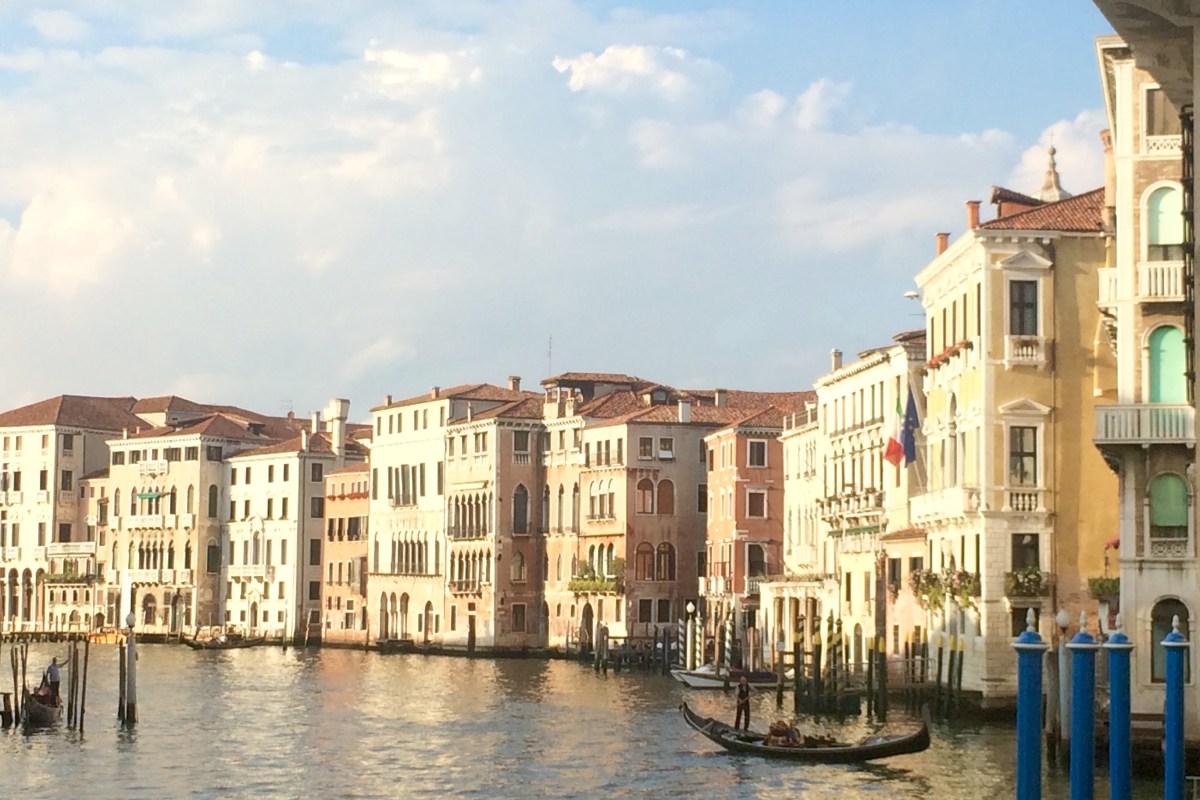
‘Festival of Andrew’ begins in Venice

A milestone birthday deserves special attention and whilst Eastern Europe has been rewarding, adventurous and economical for the last three months, we wanted to do something decadent to celebrate Andrew’s 40th birthday. For nine glorious days we would forget about the budget,  ignore the concepts of balanced eating and portion control, and get away from our usual basic hotel style rooms. The birthday boy chose to return to an old favourite, and having spent some time in Northern Italy in 2008 we knew we would be able to create a birthday festival that ticked all boxes.

Cruising into Venice is one of those pinch-yourself moments that feels like a fairytale. Yes its ridiculously expensive, yes it is swarming with tourists, yes you will get duped by a restaurant or two that will be a total tourist trap, but the beauty of the city captures your imagination and even though you know in your heart that two cappucinos and two croissants SHOULD NOT cost AU$30 you will spend it anyway because it is Venice. That said, when you do your research and are prepared to get out of the high traffic zones there are gems to be found that don’t hurt quite so much.

Although it was our second time here, we managed to find so many new areas to explore and in one day clocked up 18.5km wandering the laneways and bridges, of which there are said to be over 400 across the city. We also spent some time exploring the Doge’s Palace on the Piazza San Marco, an architectural wonder that was a work in progress for over 200 years between mid 14th to 16th centuries. The ticket to the palace allows access to other museums on the square also as well as a biblioteca (library)  where books are displayed dating back hundreds of years. Tickets are AU$28 each and surprisingly good value for this city.

Checking out of our Venetian lodgings, it was on to a taxi boat with our luggage and back into a car to hit the road, headed south to the region of Umbria. Driving in Italy can be a little bit of an adventure in itself, and the rewards for staying off the motorway and travelling through the small towns and villages are many. Medieval towns, ornate churches and buildings, and coffees that do not cost AU$9.50 each (thank you Venice!) are all on offer and we stopped at a few special places.

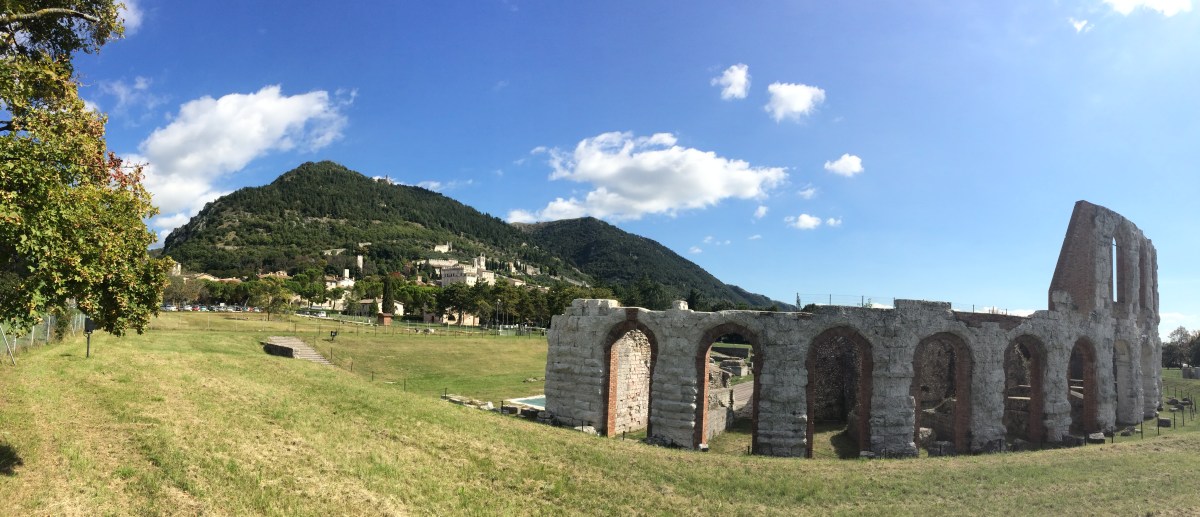
In the small town of Ravenna we came across possibly the most spectacular interior of a church we have ever seen (and the Lord knows we have seen a few); in the village of Stra we wandered the gardens of a grand old villa and conquered a hedge maze; and in the walled town of Gubbio the gothic architecture created a fantasy-like experience as we looked out over the city and its central palace.
image
The Roman Theatre just outside the walls of Gubbio

The pick of our Umbrian towns though was Orvieto, a walled town perched on the top of a hill with its glamourous 14th century cathedral and too many restaurants and bars to choose from. This place definitely deserves more than one night. San Marino on the other hand, does not. The Republic of San Marino is a microstate within Italy and technically recognised as a country (another one for the true country collectors!). It looked promising as we climbed the hill to get to the old walled centre of the town but for us it lacked warmth and energy, and with every other store selling mass-produced tourist junk we were done exploring within an hour. Basically we have been so you don’t have to.

One thing has been constant in all our stops so far – we have been spoiled at pretty much every meal and have almost eaten our bodyweight in bread and drank it in wine. Pastries for breakfast, paninis and bread baskets with lunch, another bread basket with dinner. Add to that the pasta, polenta, game meat, rich sauces and tiramisu every night……. it’s a good thing this Festival has a time limit!


Image

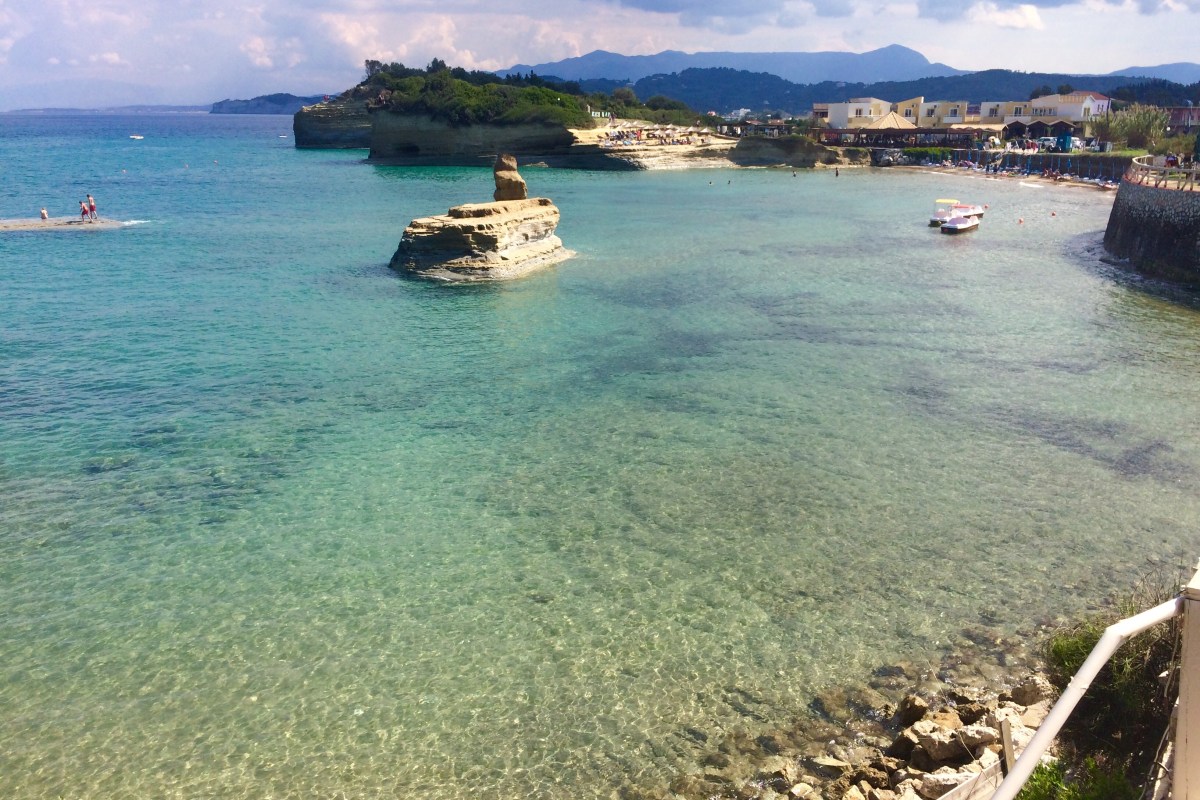
There’s something about Corfu

Corfu is a Greek island off the south west coast of Albania (just 30 minutes by fast ferry from Sarande) and a world away from the popular and glamorous Greek islands of Mykonos and Santorini we have previously visited further south. Still great food, same stunning coastlines, same relaxed Greek approach to life…….but different. After seven days of navigating most of the island and splitting our accommodation into two areas its fair to say that there is a pocket of Corfu for everyone, and you really need to pick the right spot for you (hint: we didn’t!) to get the best out of it.

Like Bali in our own backyard, Corfu attracts all types: you can spend up big on accom if you want, or go budget. You can get away from the crowds in a secluded rural spot or get in amongst it with bars, nightclubs and neon lights. There are a number of low cost airlines that fly direct to the island from all over Europe, and also the all-inclusive travel companies which are huge in Europe who take care of flights, transfers, hotels and in some cases food options too. This type of tourism can result in small enclaves of nationalities all camped together in a particular town and as it turned out we spent our first few nights in ‘Little Britian’ in the north coast town of Sidari.

A bit like how we imagine Kuta to be (based on what we have read – haven’t been) it was cheap booze, loud karaoke bars and bad souvenirs and dominated by UK passport holders (even the workers!). The north coast beaches were not the best we found on the island but the food was good and the cocktails cheap so we were not complaining.

Our second accomodation option was on the mid west coast on what is alleged to be the #1 beach on the island – Glyfada Beach. Much quieter than Sidari and with a gorgeous sandy beach, we had arrived in the Deutsch pocket of Corfu. Glyfada is at the complete opposite end of the spectrum to Sidari – there were about four restauarants to choose from and after the day trippers had gone we guessed about 100 people were staying in the beachside resorts (three in total). It was a little too quiet for our liking being end of September, but it got us an upgrade to a seaview room so again, not complaining!

image
Holding on tight! Taken on the west coast

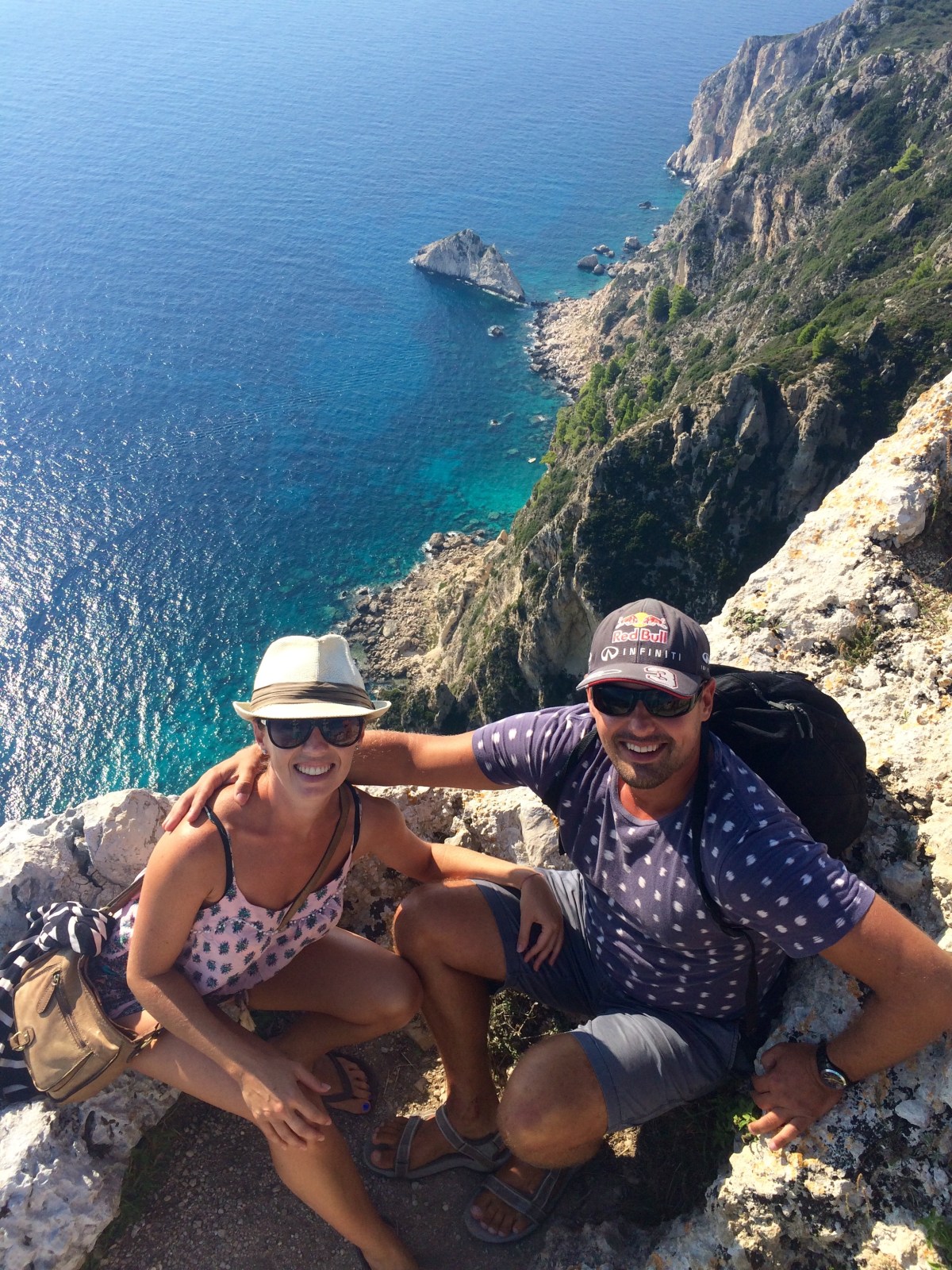
Corfu is definitely a destination that requires a car for at least a few days, and for three days with wheels we managed to cover most of the island. It was on these adventures we found the really good stuff – stunning beaches (generally the entire west coast), a cliff-side bar for sunset views, and other towns that for us had the perfect combination of great beach, good nightlife and accommodation. As it turned out in the last few hours of our 7th and final day we found our winner – Agios Gordios on the mid west coast. If we find ourselves back on the island one day this is where we would be staying.

The old town of Corfu (or Kerkyra as the greeks call it) is also worth a look and offers so many choices of restaurants and hotels. The streets are typical Mediterranean with beautiful coloured buildings and washing hanging out high above the laneways, and its a very popular cruise ship port. On one day we counted four large ships in the harbour which means way too many tour groups blindly wandering around for our liking but its a lovely little city.

We did have a great week here – the sun was out, the ocean was still warm enough to swim in and of course there was the Greek food. It’s impossible to believe that there could ever be a time when you can get over eating moussaka, saganaki, gyros and kleftiko. The Greeks may not be at the forefront of bathroom plumbing, but they sure can cook! Our fave Greek island adventures are still down south but Corfu, you were alright.

This week signified the end of our Euro-Summer for 2016: for 3 months we have soaked up the sun, battled the crowds and had an absolute blast. Now the bikinis are packed away and the sun baking mats have been discarded. Next stop is Italia where the Festival of Andrew will take place!

Image

Montenegro, with a side trip to Kosovo

Now we are travelling again… we are back on the buses. In this part of the world the buses are so cheap and regular, and with a few quiet prayers and a leap of faith you can get to anywhere you want to be in the neighbouring countries. Getting on the roads here is seriously putting your life in a strangers hands….

image
The view on the climb up to St Johns fortress

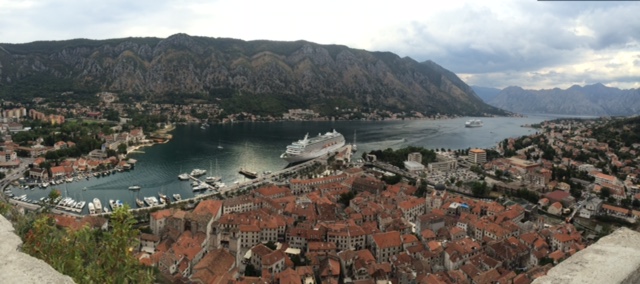
Montenegro is directly south of Croatia and continues the coastline on the Adriatic Sea. Our first stop was Kotor, the UNESCO protected medieval city on the Bay of Kotor. Its popular with cruise ships not only for the lovely preserved city and its fortress but for the views as the ships make their way in from the sea into this tiny corner of the bay. Unfortunately many cruise ships mean inflated prices and with Montenegro using the euro we were surprised by the prices and quality of food on offer here.

Kotor has been established for over 2000 years and the building of its famous fortress above the old town commenced in the 6th century with many additions and changes to it over the next 1000 years depending on who was in charge. The walk to the top is steep and sweaty but the views along the way provide the necessary compensation.

A few hours on another bus and we were in Budva, a beach resort area filled with high rise apartments, restaurants and nightclubs and half the population of Russia. As Bali is to Australians, Budva is to the Russians. The town of Budva was established 2500 years ago and today thrives on tourism and cultural events; unfortunately the beaches were filthy and could not entice us into the water given where we had just come from.

The old town is well preserved within its walls while the newer part of town was full of new shopping centres, cafes and boutiques selling high end fashion. The amount of construction taking place is a little frightening given our perception that sustainability and environmental management practices do not appear to be driving factors in the development of the area so it will be interesting to see how this place looks and feels in a decade or so.

Making our way toward the Albanian border we spent 24 hours in the town of Ulcinj where our guesthouse hosts could not have been more generous and thrilled to have Australians staying with them. Invited to join them for coffee we talked politics, education and travel and gained a personal insight into the challenges facing a ‘new’ country like Montenegro as they move further away from their socialist past and  establish themselves on the tourist trail.

Its conversations like this that make us realise how blessed we are to have been born in Australia. Life in Montenegro is tough for locals and we were happy to contribute to the economy with our tourist dollars wherever we could.

Another day, another bus and we were headed for possibly our most obscure stop for the year – one for the true country collectors! Crossing two Albanian borders we arrived in Pristina the capital of Kosovo, and although our arrival was after dark we could see from the bus that this was a country embracing all things western. Bright lights, modern shopping centres and architecture could be seen in amongst broken and unfinished buildings, and in the light of day the city was full of young, well dressed people lunching and shopping.

We had no real expectations of what we would find here and were pleasantly surprised, although there are still the tell tale signs of a country that is emerging from the aftermath of a tragic war. There is a lot to do on the road ahead but the vibe we picked up was positive. We will probably never get back here but will watch with interest from afar as this small but determined country carves out its future under the watchful eyes of the Bill Clinton statue in the middle of  the city!

Image

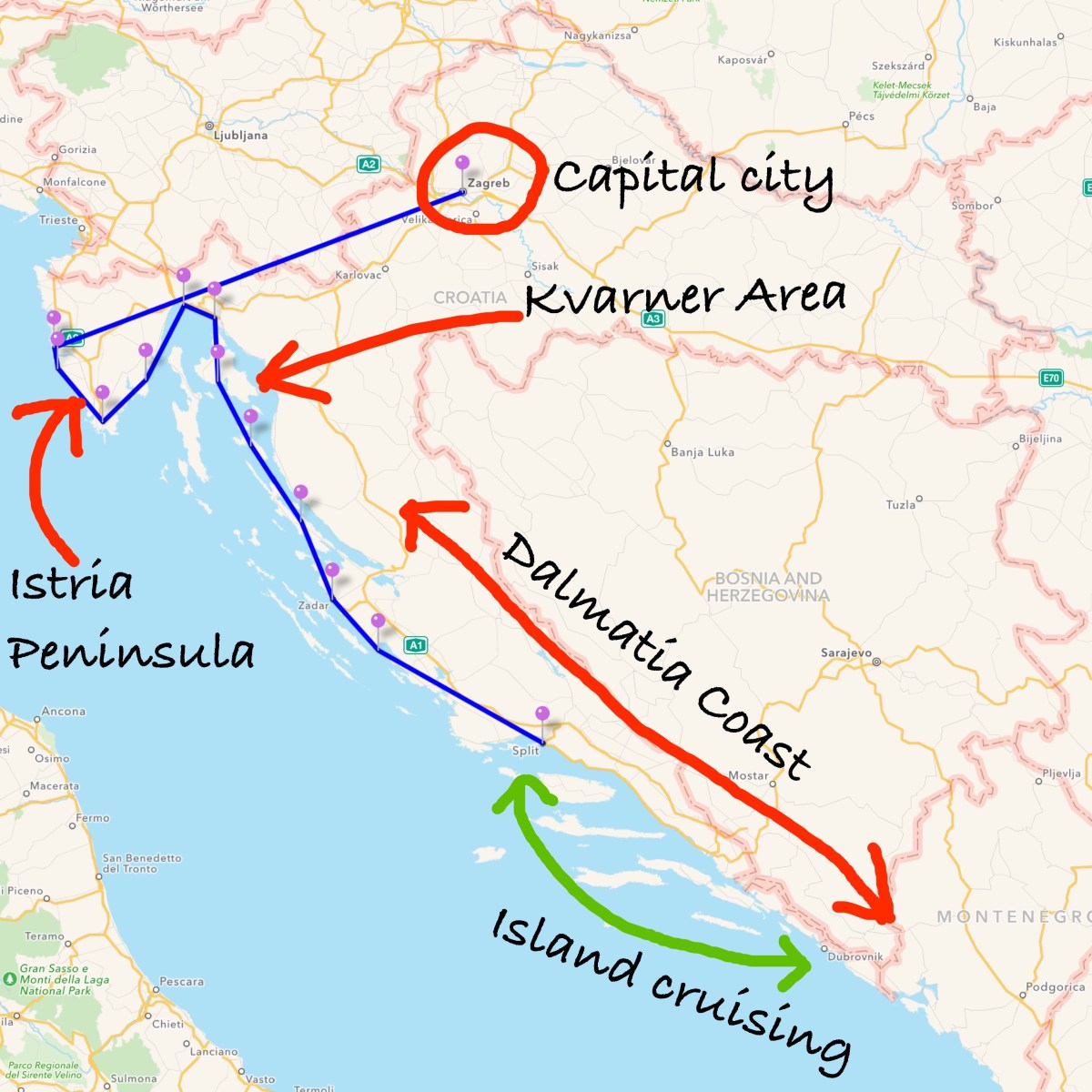
Cruising the Dalmatia Coast

Wheeling our suitcases along the promenade of Split Harbour, the four of us were keen to check in on our Sail Croatia boat and meet the other 36 people who would cruise the Dalmatia Coast with us to Dubrovnik. We were not surprised to have a group that was about 95% Australians (including the Kiwis!) with a few token Americans, and spotted two familiar faces who we had met at a friend’s wedding last year. It really is a small world we live in.

image
Week 4 in Croatia, on the Adriatic Sea

Settling into a room for seven nights was a complete luxury, and we settled into our routine quickly too: sleeping ’til mid morning, swimming and baking before our three course lunch, then spending the afternoon in the town we would dock at around 3pm, returning in the early hours of the following morning. Every day we stopped somewhere new and went exploring either on foot, bike or kayak seeking out beaches, historical sites, restaurants and winebars.

In all seven towns along the route there was a highlight or experience that made the stop memorable. Day 1 was Makarska, home to a nightclub literally inside a cave on the edge of the beach. Day 2 was the gorgeous village of Stari Grad on the island of Hvar founded in the 4th century BC. Our afternoon here was spent in an organic vineyard where the staff were generous with the ‘tastings’ (i.e. full glasses!) and the local cheese and home made bread was delicious.

Day 3 was Hvar town on Hvar – the St Tropez of Croatia and the place for drinking champagne by the crashing waves at a beach bar, partying all night (we were pretty pleased to be the last back on the boat!) and marvelling at the super yachts in the harbour. One day in Hvar is nowhere near long enough! Day 4 was the pretty island of Vis where we cycled and swam and ate lamb off the spit and drank amazing wine.

Day 5 was the pretty town of Korcula where we kayaked, made a trail through multiple wine bars in town, and feasted on fresh fish and walnut crepes. Day 6 was the island of Mljet which is almost 50% national park and perfect for cycling and swimming in the large saltwater lakes.

Day 7 brought the incredible sight of the fortified city of Dubrovnik and being the last day on the boat the four of us plucked up the courage to jump off the (very high) bow to the applause of our new friends! We walked the full 1.94km of the walls around the city that were built over 1000 years ago, explored the alleys and boutiques within, and capped off an amazing week with yet another amazing meal of tuna, scallops and olive oil cheesecake.

We have been fortunate to have explored so many special places with friends over the years, and this trip has been an incredible experience to share with two of our oldest and dearest. With Steve and Andrew both turning 40 in a few months this trip was planned to celebrate their big milestone and has left us planning our next adventure together! Time now for Steve and Belinda to return to Oz to their gorgeous girls – we are incredibly grateful they could come this far to share this part of the world with us.


Image

History lesson in Cooktown

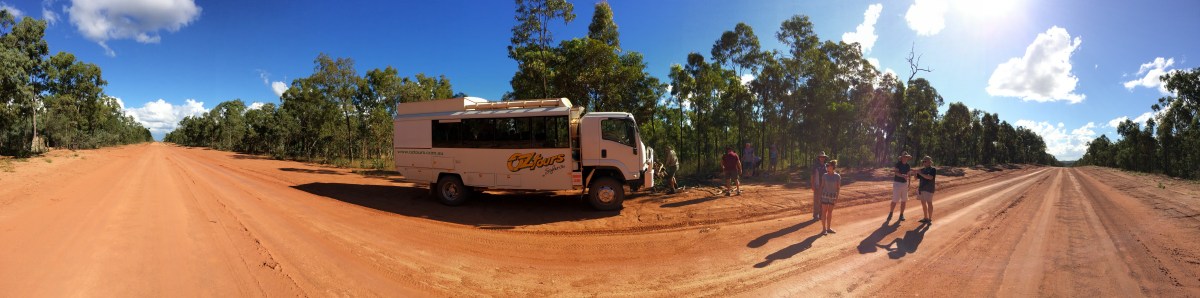
Jumping on board the Oz Tours truck in Cairns it was immediately obvious that our little crew had reduced the average age of the group as we joined an adventurous bunch of ‘grey nomads’ for our northern adventure. The cost of a tour such as this, even in tents is likely to be beyond the majority of backpackers and the remoteness of where we are headed is not everyone’s idea of a holiday (even for 1 or 2 of us….).

image
The Oz Tours truck and some of our group of 16

As with our recent foray into kayaking, Mother Nature shook things up a bit and decided to break a recently declared drought, resulting in some of the roads and national parks being closed that our truck was due to follow out of Cairns. Once again, Plan B delivered the goods and we were diverted through Mossman Gorge, just north of Cairns and within the Daintree National Park.

Rainforest experience now ticked off (minus cassowaries, again!), we were bound for Cooktown and an education awaited us. Our guides Geoff and Dee are married and deeply passionate about our beautiful country and along the route have shared so much info about the area and its history which includes Captain Cook’s arrival in 1770, a gold rush in the 1870’s that had people flocking to the region from around the world, WW2 involvement and then of course the long and colourful history of the aboriginal communities of the Cape.

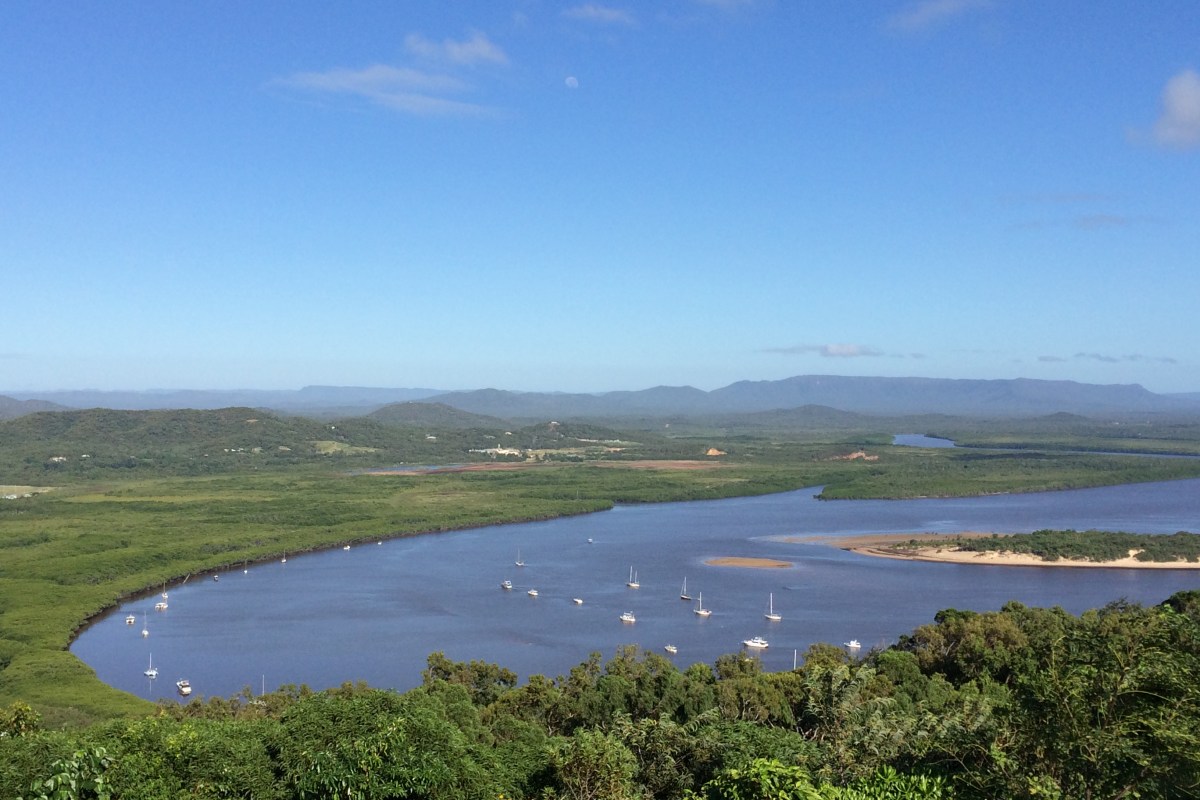
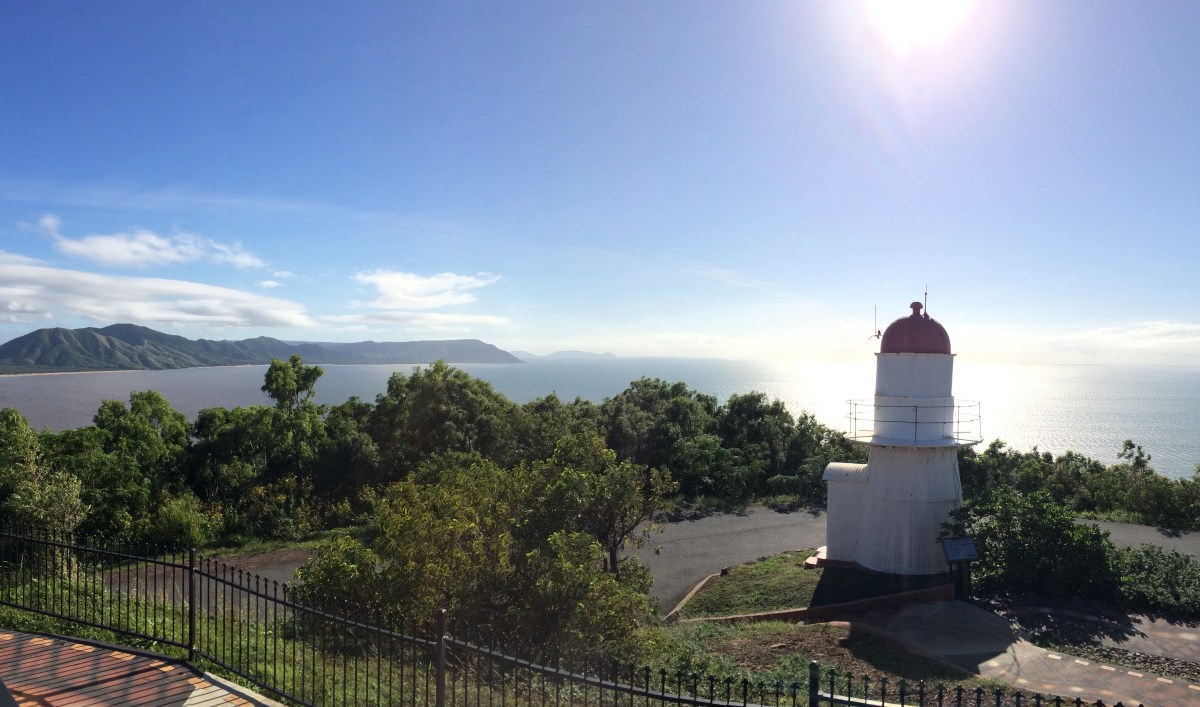
Cooktown is a one street country town, permanent population approx. 2000. It’s hot and humid, often rains and has a varied and interesting history. In recent years tourism has been steadily building in the region and has resulted in some good options for coffee, pubs and food and the local council has done an excellent job of laying out the town’s history in plaques, on pavements and story boards up and down the main drag. You just need to be at least 5m from the waters edge as you are taking in all the info, lest a saltwater crocodile be cruising by too closely…..

image
View from Grassy Hill lookout, top of Cooktown

Leaving Cooktown for the tiny township of Laura (population 100) we travelled through aboriginal Quinkan country and visited a site that is world renowned for artwork that has been protected by overhanging escarpment ledges. Our local guide Roy talked us through the stories that he had learned from his father and the work the community is doing to preserve the site and educate the younger generations to understand their culture. Roy also tried to encourage us to eat green ants which are bush medicine for cold symptoms, however we politely declined!

As for camp life, it is treating us well. So far so good on the weather; our group is a well-travelled bunch of storytellers who have enjoyed having ‘kids’ on tour, and the home cooked food is being served frequently, in large portions and includes dessert every night!