Armed with a 21 day Japan Rail Pass, we started making our way across the largest and most populated island of Japan – Honshu. Our first stop was Hiroshima, a small city with a population of just over one million, and sadly most recognised for being the target of a US atomic bomb in 1945. The city was virtually flattened as a result, with the building directly beneath the bomb left almost intact – the iconic dome structure still in place, and referred to as the ‘A-bomb’ dome.
The building stands today, as it did in the aftermath of WW2, as a symbol of hope and strength, with the surrounding Peace Memorial Museum and park creating a special and moving place for education and reflection on the terrifying and enduring impacts of nuclear weapons.


But it’s not all war and tragedy here, the entertainment district in the city centre has a fantastic buzz and the genius creation of okonomiyaki (a pancake made with your selected ingredients sandwiched between fried noodles and a fried egg – cooked on the table in front of you!) is worth adding Hiroshima to your Japan itinerary alone! Add an impressive castle surrounded by a moat, and the nearby island of Miyajima which features Japan’s only shrine built over water, and it’s a city worth the stop.


If you have followed our adventures in the past, you would know that the direct route from point A to point B is not the one we would usually take, so on our way to the city of Nara we spent four days passing through Izumo, Matsue, Onomichi, the island of Naoshima, and Himeji – all accessible on the epic Japanese rail system, and each with a unique reason for us taking the time to visit.
Izumo is home to one of the oldest and most important Shinto shrines in Japan, Izumo-taisha, and on a cold and drizzly morning we almost had it to ourselves. A brief lunch stop in Matsue had us walking around the castle gardens and through a samurai village; then in Onomichi we cycled almost half of the 76km course that would take you from the main island Honshu, across 6 small islands connected via suspension bridges to the island of Shikoku, one of the 4 primary islands of Japan.


Naoshima island was an excellent detour (about halfway between Hiroshima and Osaka) – an art lover’s dream of outdoor sculptures; multiple galleries and museums, including the beautifully curated Benesse House that also includes a fancy hotel option; and a collection of life size art installations housed in vacant buildings. Aptly called the ‘Art House Project’, vacant homes in a village on the island (some reportedly up to 400 years old) were turned over to artists who have created a collection of art experiences that draw many visitors to its tiny laneways. The entire island can be explored on foot, and is a very clever example of developing an area that attracts tourists and supports the local economy.


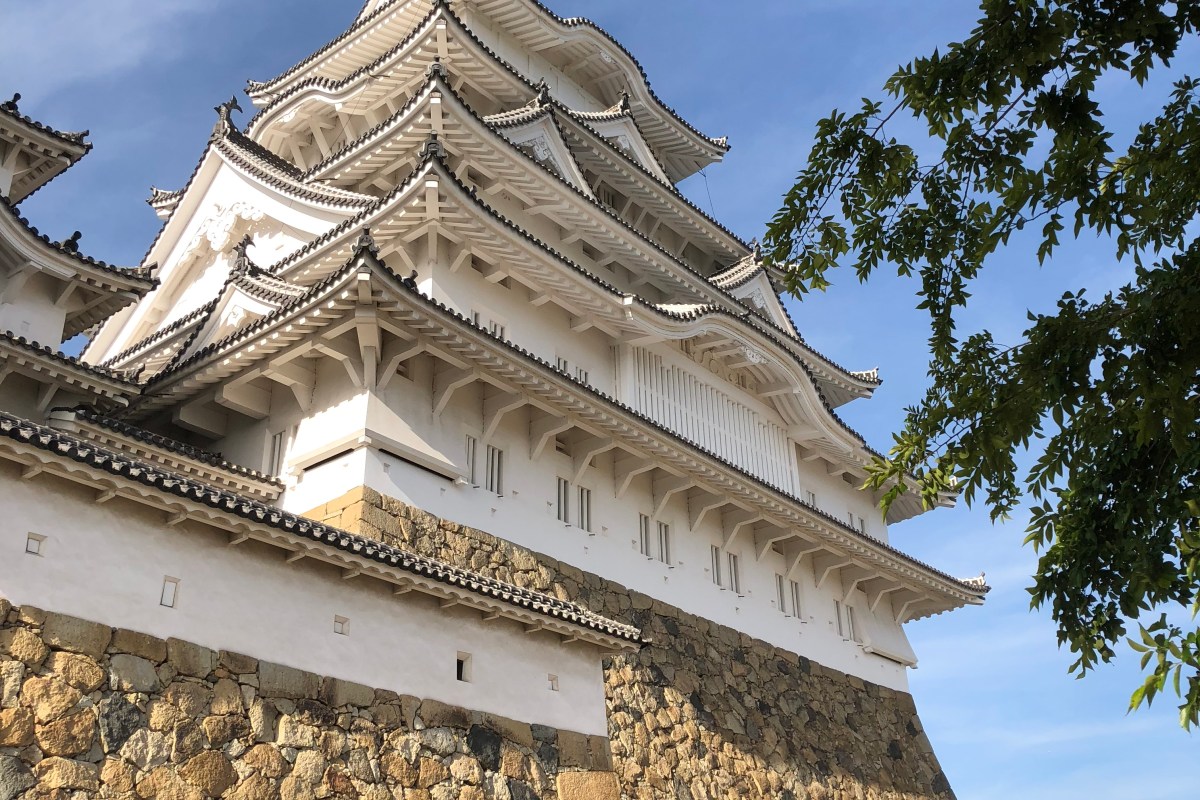
An afternoon break in Himeji en route to Nara gave Andrew his highlight experience of the trip so far – a visit to Himeji Castle. Construction of the impressive stark white castle in its current form began in 1601 and it has survived floods, countless changes of power, and WW2 air raids to go on and be recognised as Japan’s first World Cultural Heritage Site in 1993.


Nara is a popular day trip from nearby Kyoto, and home to the impressive Todai-ji Temple located within a city parkland of curious deer. Deer are historically referred to as the messengers of the gods, and it was surreal to have them wandering amongst the tourists and around the temple grounds, as if they truly were there on some other-worldly mission. Todai-ji is said to be the largest wooden building in Japan that is constructed without nails or glue – the craftmanship of the carpentry, along with its intimidating 15m high buddha make it a temple worth viewing, although I suggest you check out the trading hours and make it an early or late visit to avoid the crowds.
We covered quite a bit of ground in this 10 day section, making the most of our rail passes and getting to see some beautiful parts of this country, that we suspect are not often seen on a shorter travel itinerary in Japan. In every place though, even when we have not been able to fully bridge the language divide, we have been welcomed warmly and enjoyed amazing food – you just can’t get a bad meal in this country, it’s a magical food adventure!
 no fixed address...