A long way from the USA mainland and just 15 minutes on a ferry from BVI’s Tortola, we officially entered US territory, made obvious by the very long line to get through security and customs. The US Virgin Islands are made up of three main islands (Saints John, Thomas and Croix) and our first was St John. This island was not on our radar when we entered the Caribbean region 5 weeks earlier and the only reason we booked 3 nights here was because the cheapest Air BnB we could find had a 3 night minimum. As it turned out it was one of our fave islands and a reminder to us that often the most surprising travel experiences are the ones you least expect.
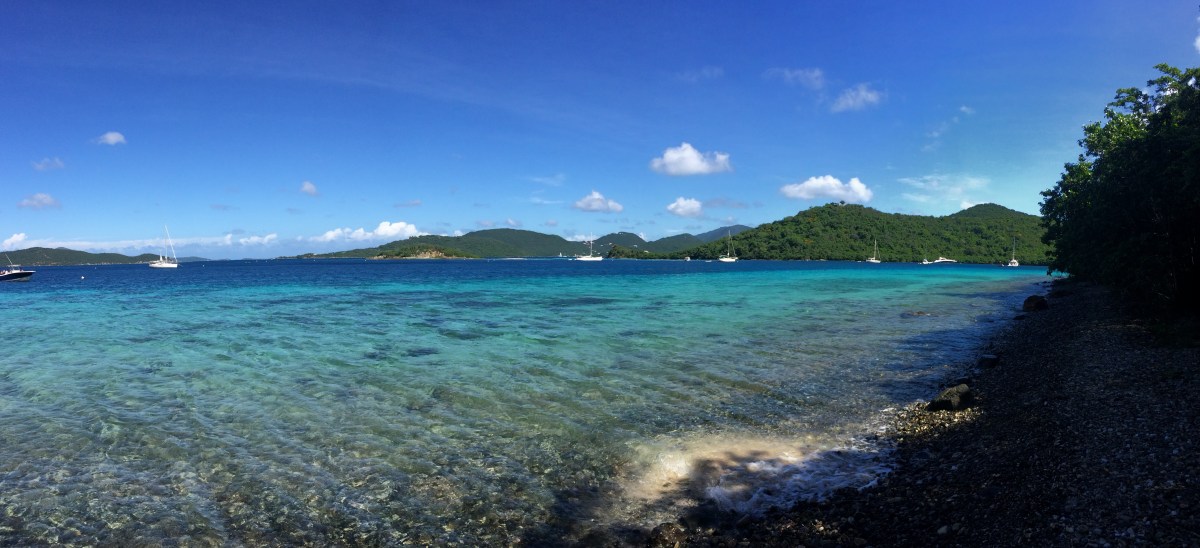
St John is a natural wonderland – the flora is lush, the beaches are some of the best we have come across, and the snorkelling was excellent. The main town of Cruz Bay on the west coast is a clean and modern village packed with cool bars, stylish restaurants and shops and it had a great holiday buzz, which we put down to the fact that this island does not accommodate large cruise ships (the cruisers come on day trips from St Thomas next door).


Our St John home was on the east coast (thirty minutes by car) in Coral Bay – a sleepy fishing village where we had a studio apartment overlooking the bay, and got to experience true island living complete with power blackouts and restricted water usage. With a jeep and a map we managed to see a fair bit of the 51 square kilometre island, even attempting a hike in the sweltering humidity, but 3 days was not enough time to enjoy all of the beauty of this gem – its an island we could easily have spent a week on, and ironically one we nearly skipped altogether.
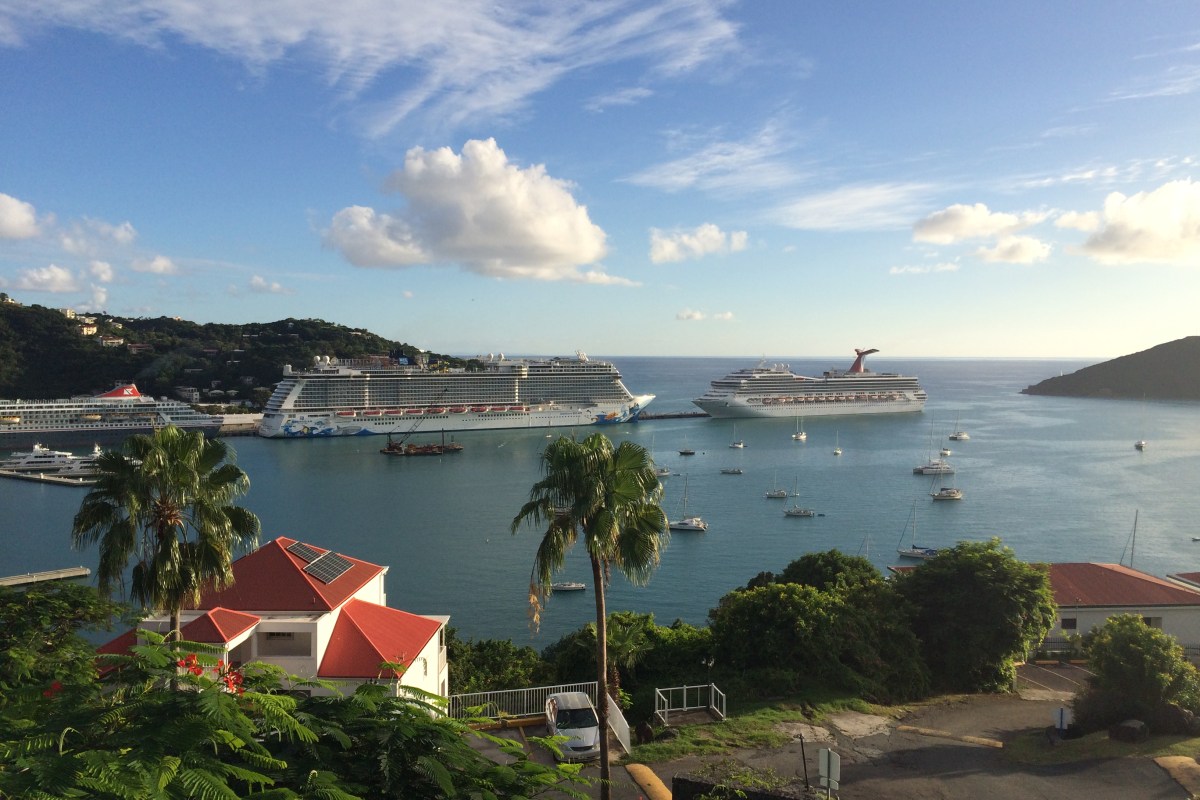
From one saint to another, St Thomas was just next door and very different to its stunning neighbour. For starters, it has really only one beach that is worth visiting (and Magens Bay is a stunner so at least they have that!). The main town of Charlotte Amalie is a classic cruise port town set up with rows of duty free jewellery stores (including a Tiffany & Co!), western style restaurants and cheap tourist merchandise. It lacked the vibrancy and village feel of Cruz Bay on St John, especially at night when the town virtually closes down after the last ship leaves.

On one day in Charlotte Amalie there were 5 ships in port – that’s anywhere up to 15,000 people spilling into the town for the 5-10 hours they are docked. We have been on a few cruises in our time, one in the Caribbean, and they do have a place in the world of travel but we did find ourselves questioning the environmental impact of these floating cities and the way in which their presence changes the feel of some of the islands we have spent time on.


In a two day period while we were in the USVI we calculated there were approx. 35,000 cruise passengers across the three islands, and given the size of Caribbean islands and the pristine environments everyone comes to enjoy, there is a lot of pressure on small (and sometimes corrupt) government bodies to manage tourism in a sustainable way. Waste management is of particular concern as recycling programs seem limited and the land fill option will run out eventually.


Still in US territory we had a quick rendezvous in San Juan, Puerto Rico and enjoyed it as much as we did 6 years ago when we were in this part of the world. San Juan is a big city by Caribbean standards with approx. 400,000 people and a charming old town complete with a fort and plenty of history. Walking the streets feels like being on a colourful movie set, and the Spanish/Latin American style food was a welcome change from our Carib diet of chicken, rice, beans and rum punch!
 no fixed address...